
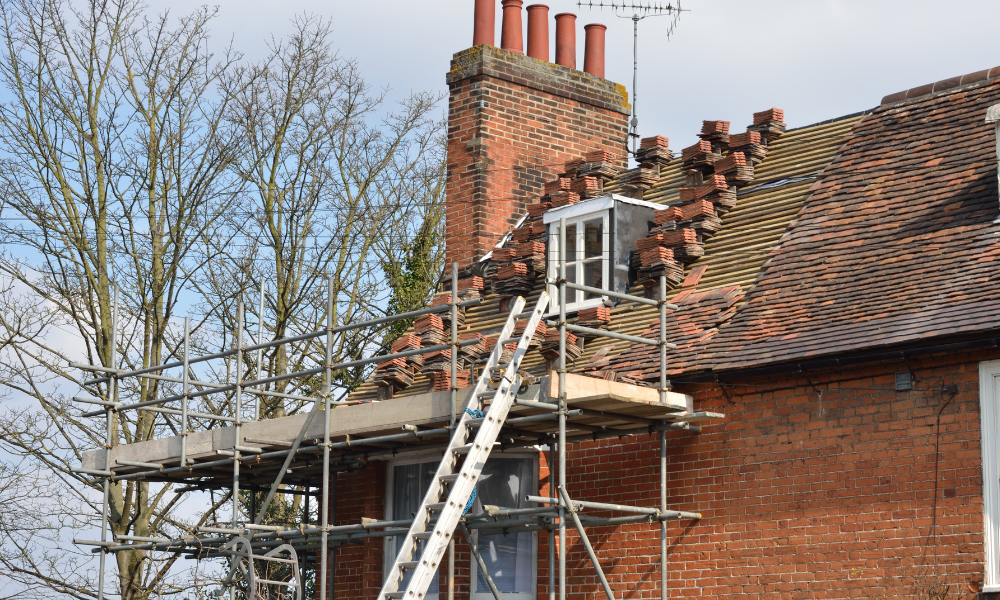
Roofs rarely fail without warning. In most cases, there are early signs that something needs attention long before a leak actually appears inside the house, but these signs are easy to miss if nobody thinks to look up. Catching a problem early, particularly before winter brings heavier rain and stronger winds, can be the difference between a straightforward repair and a much larger job once damage has had time to spread. For homeowners across the region, knowing when to call in roofers in North Wales rather than waiting until a leak forces the issue can save considerable money and stress.
Missing or Damaged Tiles
One of the most visible signs of a developing problem is tiles that are cracked, slipped out of place, or missing entirely. This is often easiest to spot from the ground with a good pair of binoculars, or simply by walking around the property after a particularly windy day and checking for anything unusual on the roofline. A single missing tile might seem minor, but it exposes the underlying structure to moisture, and one problem area often leads to further deterioration nearby if left unaddressed.
Sagging or Uneven Rooflines
A roofline that appears to dip or sag in places, rather than running in a clean, straight line, usually points to a more serious structural issue rather than a simple surface problem. This can result from water damage weakening the roof structure over time, or from age related wear in older properties. Sagging is not something to leave and monitor, since it typically indicates the problem has already progressed beyond a straightforward repair, and getting a professional assessment quickly tends to prevent the issue from worsening further.
Signs of Water Damage Inside the Home
Damp patches on ceilings, discoloured plasterwork, or a musty smell in upper rooms are all classic indicators that water is finding its way through the roof somewhere. By the time these signs appear inside the house, water has often been getting in for some time, tracking along timbers or insulation before finally showing up as a visible stain. Addressing the source on the roof itself, rather than simply treating the internal damage, is essential to stop the problem recurring.
Granules Collecting in Gutters
For roofs with asphalt or similar granulated tiles, finding a build-up of small granules in the guttering is a sign that the tiles are beginning to wear down. This is a normal part of ageing for this type of roofing material, but a sudden increase in granule loss, or granules appearing much earlier than expected for the age of the roof, can indicate weathering has accelerated beyond a normal rate and the tiles may need replacing sooner than originally planned.
Moss and Algae Growth
A degree of moss growth is common on roofs in damp climates and is not always a serious concern on its own. However, heavy moss growth can trap moisture against the roof surface, gradually degrading tiles and encouraging further deterioration if left unmanaged for long periods. Keeping an eye on how quickly moss returns after cleaning, and whether it seems to be affecting tile condition underneath, helps determine whether it is simply cosmetic or a sign of a developing maintenance issue.
Light Coming Through the Roof Space
For homeowners with an accessible loft space, checking for daylight visible through the roof boards from the inside is a quick and genuinely useful way to spot gaps or damage that might not be obvious from outside. Any visible light indicates a gap that could allow water in during heavier rain, and this kind of check takes only a few minutes but can catch problems well before they become serious.
Increasing Energy Bills
An often overlooked sign of roofing problems is a gradual rise in heating costs without an obvious explanation. Poor roof insulation or ventilation issues can allow heat to escape more readily, forcing heating systems to work harder to maintain the same indoor temperature. While this is not always roofing related, it is worth including a roof inspection when investigating unexplained increases in energy costs, particularly in older properties where roofing materials may be reaching the end of their expected lifespan.
Understanding Materials and Long Term Maintenance
Knowing what to look for is only part of managing a roof properly over the long term. For homeowners wanting a fuller understanding of different roofing materials and how to maintain them properly between inspections, a thorough roofing materials and maintenance guide covers the practical detail needed to keep a roof in good condition for years, rather than only reacting once a problem has already developed.
Final Thoughts
Most roofing problems give some warning before they become serious, but only for those who know what to look for and take the time to check periodically. Catching issues like missing tiles, water staining, or granule loss early tends to mean a straightforward, affordable repair rather than a major job once damage has spread. For homeowners across North Wales, a proactive approach to spotting these early warning signs, particularly ahead of winter, is one of the simplest ways to protect a home from more serious and costly repairs later on.
Recent Comments